A cracked windshield starts as a nuisance and ends up a safety hazard. I have seen tiny star breaks turn into palm-sized cracks after one cold night or a stretch of highway construction. Once damage reaches the driver’s line of sight or spreads beyond the size of a dollar bill, the only responsible move is to repair or replace. The trick is finding someone skilled who can come to you, do it right the first time, and stand behind the work. That is where mobile windshield replacement shines, but only if you choose the right provider.
This guide distills what professionals look for when vetting auto glass shops, what affects an auto glass quote, and how to navigate insurance without losing control of the job. If you are typing auto glass near me at a red light, keep reading. It is not just about price. It is about safety, adhesives, calibration, and the kind of workmanship you will never see but will count on every day.
The safety case for proper windshield work
A windshield is not just a viewfinder. It is part of the vehicle’s safety cage. During a frontal collision, the glass helps the passenger-side airbag deploy correctly and supports the roof in a rollover. Poor adhesives or shortcuts can turn your windshield into a weak link. The difference shows up under stress, not on a sunny test drive. If a shop rushes the urethane cure time or skimps on surface prep, the bond can fail in a crash or when the body Beaufort auto glass repair flexes on uneven pavement.
OEMs and adhesive manufacturers publish cure times for a reason. Some fast-cure urethanes reach minimum drive-away strength in about 30 to 60 minutes at room temperature with proper humidity, while standard products may need several hours. Add cold weather, and the clock stretches. A conscientious technician knows when to wait, when to use a different product, and when to reschedule for safety.
Repair or replace: how to judge the damage
Not every chip means a new windshield. Repair saves the original factory seal and usually costs far less than replacement. But there are lines you do not cross.
If the chip is smaller than a quarter, not directly in the driver’s primary line of sight, and not at the edge where the glass bonds to the frame, repair is a sound choice. Spidering cracks, multiple impact points, edge cracks, and any damage interfering with sensors or cameras usually push you to replacement. Heated windshields, acoustic layers, heads-up display zones, and rain sensors complicate glass composition. In these cases, a supposed bargain on glass may cost you more in lost features or glare if the wrong part number gets installed.
I once inspected a sedan with a cheap aftermarket windshield that looked fine until dusk. The driver complained about ghosting around headlights. The glass lacked the proper laminate and surface quality for the car’s heads-up display. The only fix was another replacement with the correct specification. A careful shop would have checked the VIN, matched the options, and explained the trade-offs before cutting the old glass out.
What “mobile” should mean, and what it should not
Mobile windshield replacement works when the tech can control the environment. A flat, reasonably clean area is enough for most jobs, but wind-driven dust or subfreezing temperatures can sabotage a bond. Ask how the shop manages weather. A good team carries pop-up canopies, glass racks with soft cradles, and portable heat to stabilize adhesive and cabin temperature. If a cold snap hits 20 degrees, a pro will either use a urethane rated for low temps, precondition the vehicle, or reschedule with your safety in mind.
Expect a real setup, not a guy with a caulk gun in a parking lot. You should see protective covers for your paint and dash, a cutting system that avoids tearing the pinch weld coating, primer brushes, gloves, and proper suction cups. The final wipe-down should remove glass dust and urethane smears inside and out.
How to vet “auto glass near me” shops without wasting a day
Search results and ads only get you so far. Look past star ratings and dig for patterns: repeat comments about clean installs, calibration success, and how the company handled issues after payment. When I evaluate a mobile outfit, I focus on training, materials, documentation, and willingness to say no to bad conditions.
Ask plain questions and listen to the answers. Do they reference adhesive brands and cure times? Can they describe how they protect the vehicle’s paint when cutting out the old glass? Will they identify and transfer VIN and ADAS brackets before removing anything? Do they offer written lifetime leak warranties? A shop that installs ten windshields a day but cannot explain their primer protocol is not proud of their process.
The anatomy of a trustworthy windshield quote
Two quotes can differ by a hundred dollars and still both be fair. What matters is what is included. A transparent windshield quote lists the exact glass part number or quality tier, whether it is OEM, OE-equivalent, or aftermarket, along with moldings, clips, sensor brackets, and calibration fees. It should list mobile service costs, disposal, and taxes. A vague auto glass quote that says “glass and labor” invites surprises.
OEM glass often carries higher optical standards and coatings that matter for cameras and HUD. OE-equivalent, made by the same factories without the automaker logo, can be a smart budget choice, especially on older vehicles without critical displays. Commodity aftermarket can be fine for base models but brings more variation. Good shops explain the difference, not just the price gap.
Expect four main cost drivers: glass grade, features such as acoustic interlayers or heating, ADAS calibration, and labor complexity. A compact car with basic glass can run a few hundred dollars, while a luxury SUV with lane camera, infrared coating, and noise-dampening laminate can cross four figures. If a quote looks surprisingly low for a feature-heavy car, something is missing.
Insurance, steering, and keeping control of the job
Glass claims usually come with a lower deductible than bodywork, and many policies waive the deductible entirely for repair. Insurers keep preferred networks that offer negotiated rates. There is nothing wrong with using a network shop, but you do not have to if your state allows choice of repairer, which most do. If a representative “recommends” a single provider, ask if you can select any licensed shop at the same reimbursement rate. Then call your preferred shop and have them handle the paperwork. Competent glass companies submit claims every day and will walk you through assignment of benefits and billing.
Watch for steering tactics where a call center downplays calibration or pushes generic glass without addressing features. You do not want to discover a disabled lane camera warning light after you sign. Make your shop confirm whether static or dynamic calibration is required and how they perform it.
ADAS calibration is not optional on modern vehicles
Forward-facing cameras, radar units, and rain sensors depend on proper glass thickness and mounting geometry. Replace a windshield on a 2017 or newer car with driver assist features, and a calibration almost always follows. There are two basic methods. Static calibration uses targets and precise measurements in a controlled space. Dynamic calibration uses a scan tool and a specified drive cycle on marked roads. Some vehicles need both.
Mobile providers can perform dynamic calibration after the install, but only if they have the right diagnostic tools, software subscriptions, and road conditions. A shop that offers to skip it or clear codes as a “fix” is gambling with your safety. You should get documentation, including pre- and post-scan reports, and a record of the calibration procedure used. If a mobile visit cannot complete calibration, the shop should schedule you at their facility or a partner calibration center and include this in the quote upfront.
The work you never see: surface prep and bonding
Most failures trace back to prep. The old urethane bead must be trimmed to a consistent height, leaving a thin layer to bond fresh adhesive. Exposed bare metal should be primed to prevent corrosion. Contaminants from fingers, cleaners, or dust can ruin adhesion. Good techs do not touch the bonding area with bare hands and use the specific cleaners and primers recommended by the adhesive manufacturer. They also respect open times. Once a primer flashes, there is a window for applying urethane. Miss it, and the bond suffers.
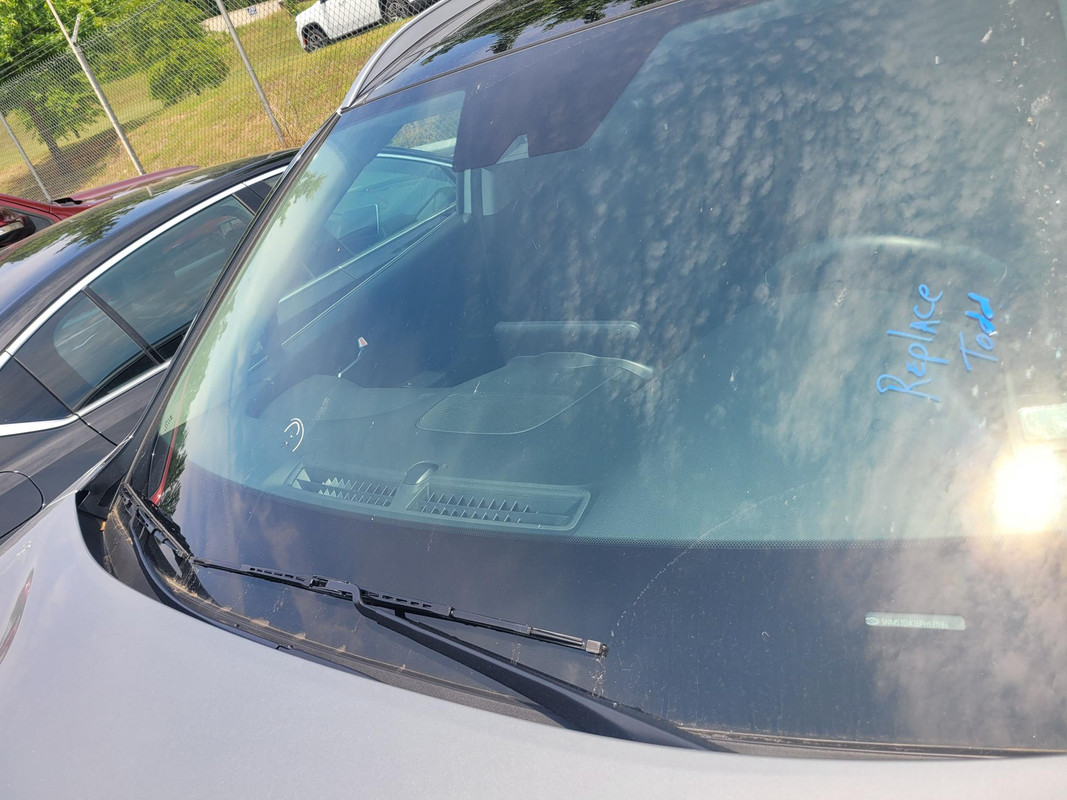
On the glass, any brackets for cameras or sensors must be positioned exactly. Reusing warped moldings or clips leads to wind noise or leaks. A shop that stocks OEM-grade clips and replaces them on principle will save you a return trip when the first rain hits.
How to read an auto glass quote like a pro
Line items tell a story. The part number should match your vehicle’s options. If you have a heated wiper park area, acoustic glass, or a blue shade band, the quote should show it. If a shop quotes “fits all” glass, ask for the exact part. The adhesive should be identified by brand and product. Products from Sika, Dow, or 3M with clear minimum drive-away times inspire more confidence than anonymous tubes.
Next, look at labor time. A technician can complete many windshields in 60 to 120 minutes, but added features, corrosion repair, or glued-on upper moldings can stretch the job. If you see a drive-away time on the invoice that does not match the adhesive spec or the weather, question it. Honest shops adjust the schedule instead of rushing you back on the road.
Finding a shop that respects your car as much as you do
The best glass installers behave like careful upholsterers. They move slowly around trim, protect A-pillars, and mask painted surfaces that saws might graze. They vacuum cowl areas where glass grit hides and clean the defrost vents so you do not inhale fine dust tomorrow. Small courtesies matter: saving your toll pass, reattaching inspection stickers legally, and aligning the rearview mirror exactly where it was.
I remember a customer with a classic wagon who worried about original paint. We laid felt along the roof edge, removed a stubborn molding rather than prying against the panel, and used a wire system that cuts adhesive without contacting metal. The job ran 30 minutes longer than planned, but that car left with every edge intact. That is the kind of caution you want, even on a commuter car.
Weather, scheduling, and managing expectations
Mobile service lives at the mercy of weather. Adhesives cure faster with warmth and humidity, slower with cold and dry air. In winter, you might be asked to run the heater before the tech arrives and leave it on for part of the cure. In rain, a canopy may solve the problem unless wind drives water into the pinch weld. A good dispatcher buffers schedules to account for cure times and traffic. If a company promises 20-minute installs regardless of conditions, they are cutting corners.
Plan for a car-down window: often 45 to 90 minutes for installation, then the drive-away time the adhesive requires. For some vehicles, add calibration time. Ask your shop to text you the adhesive’s safe drive time after install, and do not treat it as optional.
Price versus value: where to spend and where to save
If your vehicle carries advanced features or you spend hours on the highway, pay for the correct glass and calibration. The marginal savings of generic parts do not justify glare, distortion, or compromised camera performance. On older cars with basic windshields, a reputable aftermarket pane can be perfectly acceptable. Where you should never compromise is adhesive quality and prep protocol. That is the foundation of the job.
A realistic range for a mainstream sedan without ADAS runs a few hundred dollars, often less if you are only repairing a chip. Add rain sensors, lane cameras, acoustic layers, or heating, and budgets move into the upper hundreds or more. An auto glass quote that is a third lower than several others for the same features likely omits calibration or uses glass that does not match your build.
What a strong warranty looks like
A lifetime warranty against leaks and air noise is standard among professionals. That warranty should follow the vehicle, not just the original owner, and should explain how they handle stress cracks or defects in the glass itself. Read the fine print about rust. If corrosion on the pinch weld prevents a proper seal, the shop should note it before the install and either repair it for a fee or refer you to a body shop. Surprises crop up beneath moldings, and transparency here avoids blame games later.
When to insist on OEM glass
Insist on OEM or OE-branded glass if you have any of these: a heads-up display, infrared or solar coatings tied to climate control, tricky lane camera setups, or vehicles known for picky ADAS calibration tolerances. Some models calibrate reliably only with certain optical properties. If your insurer pushes back, ask your shop to document the technical requirement and submit it with the claim.
The quick path to a solid short list
Here is a concise way to move from search results to two or three solid candidates without spending an afternoon on the phone.
- Search for auto glass near me and filter for shops that explicitly list mobile windshield replacement and ADAS calibration, not just “we can refer you.” Call and request a detailed windshield quote by VIN, asking for glass brand, part number, adhesive, calibration plan, and drive-away time. Ask about technician training, corrosion handling, and whether they replace clips and moldings as part of standard practice. Verify warranty terms for leaks and workmanship, and ask for sample calibration reports if your vehicle needs them. Check reviews that mention successful calibration, no wind noise, and clean work areas. Prioritize patterns over star counts.
The appointment day: what you should see
On the day of service, clear a space around the car and remove valuables. The technician should confirm the part, inspect the damage, and walk you through the process. Expect protective covers over fenders and dash. After the old glass comes out, the pinch weld should be trimmed clean, not ground to bare metal unless rust forces it. Primers should be applied with fresh daubers, not reused rags. When the new glass seats, watch for even bead compression and proper alignment of moldings with the roof and A-pillars.
You should receive instructions about closing doors gently for the first day to avoid pressure spikes, avoiding car washes for 24 to 48 hours depending on urethane and weather, and respecting drive-away time. If calibration is required, you should see a scan tool connected and receive documentation when finished.
Common pitfalls and how to avoid them
Three avoidable problems show up again and again: wind noise from reused or broken clips, water leaks from rushed cure or poor prep, and sensor faults from skipped calibration. You can head them off by choosing a shop that replaces clips by default, cites adhesive specs rather than guesswork, and performs or schedules calibration as part of the job. If something feels off on the drive, do not wait. Reputable shops want the first call, not a negative review, and will adjust the install or re-seal without drama.
When a repair makes more sense than replacement
If your windshield has a small rock chip and you act within days, a repair can be nearly invisible and preserve the factory bond. Tell the shop where the damage sits. If it is in the driver’s direct view, glass shops often advise replacement because even a perfect repair can leave a subtle refraction that distracts at night. Insurance frequently covers repair with no deductible because it prevents a larger claim later. In ten to fifteen minutes, a mobile tech can stop a crack from running and save you hundreds.
Final checks before you authorize the work
Before you greenlight the job, match the part number to your options, confirm the adhesive brand and drive-away time, and lock down the calibration plan. Ask for the total auto glass quote with taxes and fees, not just the base price. If insurance is involved, have the shop confirm coverage with your carrier while you are on the call so everyone aligns on glass grade and calibration billing. Capture the scheduler’s name and the technician’s planned arrival window. Small steps, big peace of mind.
Why a careful choice pays off month after month
A windshield is a long-term relationship. You look through it every mile. A clean installation reduces wind roar at highway speeds and prevents creeping leaks that soak your carpets during a storm. Proper calibration keeps lane assist honest and emergency braking available when you need it, not when it is convenient. When you search for auto glass near me, treat that search like you would choosing tires or brakes. The lowest initial number fades quickly if you have to book a second appointment to fix the first one.
Done right, mobile windshield replacement feels effortless. A qualified technician arrives, sets a tidy workspace, replaces the glass to factory tolerances, calibrates your systems, and leaves you with a clear view and quiet cabin. You get a transparent invoice, a warranty you understand, and a car that looks and drives exactly as it should. That is the standard to demand, and it is not too much to ask.
If you keep those principles in mind, every piece falls into place: an honest windshield quote that spells out the parts and process, a shop that communicates clearly, and a job that keeps you safe. Price matters, but trust and technique matter more. Choose the installer who proves both before they ever pick up a tool.