A broken window in a car is more than an eyesore. It changes how the vehicle protects you in a crash, invites theft, and can compromise critical driver assistance systems. I’ve spent years around body shops and auto glass technicians, and the same pattern shows up again and again: drivers underestimate glass until something goes wrong. Then the details start to matter, from the grade of replacement glass to the curing time on the adhesive.
This is a practical guide to the safety and security factors behind car window glass replacement. It covers windshields, side windows, quarters, and backlites, with real trade-offs you can use to make better decisions when you call an auto glass shop or schedule a mobile auto glass service.
The unseen work your glass does
Most people only think of the windshield as a viewfinder. In reality, it does four jobs at once. It contributes to the roof’s Anderson car window glass replacement structural strength, it acts as a backstop for the passenger-side airbag, it supports cameras and sensors for driver assistance features, and it shields the cabin from noise and weather. Side and rear glass matter too. Laminated front side windows help with theft resistance and noise, while tempered side and back glass manage impact energy by shattering into small pebbles rather than sharp shards.
The most important takeaway: not all glass is interchangeable, and not all installations are equal. Even a perfect piece of glass can become a safety hazard if it’s installed with the wrong adhesive or the pinch-weld is not properly prepared.
Windshield safety starts with lamination and adhesion
A windshield is laminated glass, two layers of glass fused with a plastic interlayer, typically PVB. That interlayer keeps a struck windshield from blowing in or out and adds stiffness to the front structure. When your airbag deploys, it often needs the windshield as a brace. If the glass debonds because of a poor urethane adhesive or an improper install, the bag can push the windshield out, robbing it of support. That’s the scenario auto glass professionals lose sleep over.
Quality urethane matters. So does temperature, humidity, and the safe drive-away time. If a technician applies a high-performance urethane designed for cold weather at 40 degrees, the safe drive-away may be around an hour. A slower-curing product at the same temperature might need three to four hours. In summer heat, curing accelerates, but you still need to follow the manufacturer’s window. The best auto glass repair and windshield replacement shops log these times on the work order and place a sticker on the dash. If your installer can’t tell you the safe drive-away time, that’s a red flag.
Side and rear glass: laminated versus tempered
For decades, passenger side windows and back glass were almost always tempered. Tempering puts the outer surface in compression and the core in tension, which is why these panes shatter into small cubes rather than long, dangerous shards. That’s still the default on many vehicles, especially for rear doors and backlites.
More models now use laminated side glass, especially on the front doors, for two reasons: theft deterrence and noise reduction. Laminated side glass doesn’t shatter into tiny pieces, so smash-and-grab thieves have a harder time. It also dampens wind and traffic noise. There is a trade-off. Laminated side glass is heavier and can slightly slow window operation. Replacements cost more, and supplies can be limited on some trims. If your car came with laminated side glass, keep it. Swapping to tempered on a laminated-equipped vehicle reduces theft resistance and alters crash performance. A reputable auto glass shop will verify the original equipment spec embossed at the lower corner of the glass and match it.
Backlites sometimes include embedded antennas, defroster grids, and even camera or spoiler integrations. Replacing them is not just a glass job, it’s an electrical job. A rough install can tear a grid wire or leave you with a weak AM/FM signal. Confirm that the technician tests the defroster and antenna before closing the ticket.
ADAS recalibration is safety-critical, not optional
Modern windshields often house forward-facing cameras for lane keeping, adaptive cruise control, and collision warning. Even a small shift in camera angle after a windshield replacement can throw off the entire system, causing late or false detections. That is why many vehicles require a static or dynamic ADAS recalibration after windshield replacement. Static recalibration uses targets and a level floor. Dynamic recalibration requires road driving at a specified speed for a defined distance.
Shops handle this in different ways. Some have in-house calibration bays with level floors, laser alignment, and targets. Others partner with dealerships or mobile calibration specialists. Either approach can be valid, but skipping recalibration is not. If the windshield supports ADAS, plan for recalibration as part of the job and confirm you’ll receive documentation. Insurance carriers usually reimburse it when it’s required by OEM procedures.
Why cheap glass can be expensive
There are three broad categories of replacement glass. OEM glass comes from the original manufacturer and usually matches fit and optical quality exactly. OEM-equivalent glass is produced by suppliers who meet or exceed the standards but may not carry the automaker’s logo. Economy glass exists too, and you can feel the difference when the vent-level sun glare turns into a rainbow arc or a small waviness shows up near the A-pillars.
Optical distortion can be fatiguing and can trick ADAS cameras. Edge fit is another issue. An off-by-a-few-millimeters edge can whistle at highway speed or allow water paths to form. On a rainy night you’ll notice the mistake immediately. Quality auto glass replacement balances cost and precision. If you daily drive and depend on guided cruise or lane centering, push for OEM or a documented OEM-equivalent from a recognized brand. It’s money well spent.
The role of the pinch-weld and rust control
The body flange that the windshield adheres to is the pinch-weld. A proper install requires removing old urethane down to a thin “tape” of existing adhesive, spotting and treating rust, and applying the correct primer. Skipping primer on bare metal is asking for bond failure later. I’ve seen windshields leak a year after a quick, cheap job because the pinch-weld had early rust and the new urethane didn’t bond.
If your car has had a prior windshield replacement or you notice water stains near the A-pillars, ask the technician to inspect for corrosion. Treating and priming the area during windshield repair is the time to stop rust while it’s minor. Letting it go risks a more costly body repair later.
Security after the break: theft risk and temporary fixes
When a side window breaks, the first instincts are to tape plastic over the opening and move on. That’s fine for a short drive if the weather forces your hand, but plastic covers telegraph vacancy to thieves. It also scratches paint if it flaps at speed. A better short-term fix is a light, clean painter’s tape on the exterior trim and a cut-to-size cardboard or foam board on the inside to reduce the sail effect. If glass shards remain in the track, don’t run the window switch. You can jam regulators, turning a simple car window repair into a larger bill.
Consider alarm sensitivity and garage parking during the gap between the break and car window glass replacement. Laminated side glass, when available, offers extra time against quick entry. If you own a vehicle with common catalytic converter theft or tailgate theft issues, layered security matters. Stronger glass is one layer, better parking and an active alarm are others.
Mobile auto glass service versus shop installation
There is a place for mobile work. A well-equipped mobile van, staffed by a trained technician, can deliver excellent results, especially on calm, dry days. Mobile auto glass service shines for tempered side windows and back glass with wide access. For windshields, conditions matter. Windborne dust, direct rain, and extreme temperatures complicate urethane application and curing. Some adhesives are green enough to handle a range of conditions, but rain on an uncured bead can create a leak path and weaken the bond.
A shop install has controlled lighting, level floors, and clean air. That environment is better for ADAS calibration and complex backlites. If your vehicle has a head-up display, heated windshield, or acoustic interlayer, I lean toward a shop visit. If scheduling is tight and the weather forecast is calm and mild, mobile can be a smart choice. The best providers give you both options and advise honestly about what fits your car.
Insurance, glass endorsements, and cost math
Insurance coverage for glass varies. Some policies include full glass coverage that waives the deductible for windshield repair or windshield replacement. Others require a comprehensive claim and a deductible that might exceed the cost of auto glass repair. For a small rock chip, repair is often covered without affecting rates, especially if you act quickly. Once a crack spreads beyond roughly 6 to 8 inches or reaches the edge, replacement becomes likely.
Ask your insurer about OEM glass endorsements. Some carriers pay for OEM glass only on late-model vehicles or when ADAS calibration requires it. Others approve OEM-equivalent. If you value a perfect match in tint, shading, and optical clarity, check whether your policy allows an upgrade for the difference in cost.
Chip repair versus full replacement
Chip repair saves money and preserves the factory seal. A decent rule of thumb: if the damage is smaller than a quarter, not in the driver’s primary sight line, and not a long crack, repair is viable. Many auto glass repair shops can stabilize a small crack up to about three inches, depending on location and type. Repair is not cosmetic perfection. You’ll still see a small scar, but the resin bonds the layers to stop spread and restore strength.
If a crack reaches the edge of the glass, goes through both layers, or sits in front of the driver’s eyes, replacement is the safe route. I’ve seen well-meaning drivers delay two or three months while a crack creeps across the field of view. That changes glare patterns at night and increases eye strain. It also raises the chance the windshield will fail a state inspection.
The streak test and other signs of a bad install
You don’t need to be a pro to spot most problems. A few quick checks after an auto glass replacement can catch issues early.
- Run a gentle hose test starting low and moving up. Look for interior drips or fogging along the edges. Drive at highway speed with the radio off. Listen for a new whistle around the A-pillars. Sit in the driver’s seat and scan the glass with a straight roadside line. Notice any waviness or magnification near the edges. Verify wipers cycle without chatter and park correctly. Some arms need recalibration after removal. Inspect the interior trim and headliner for adhesive smears or loose clips. Good shops leave the cabin as clean as they found it.
If anything feels off, call the installer promptly. Reputable shops stand behind their work and will re-seat mouldings, adjust cowl panels, or address leaks without drama. Problems usually appear within the first week.
Tint, acoustic layers, and heat control
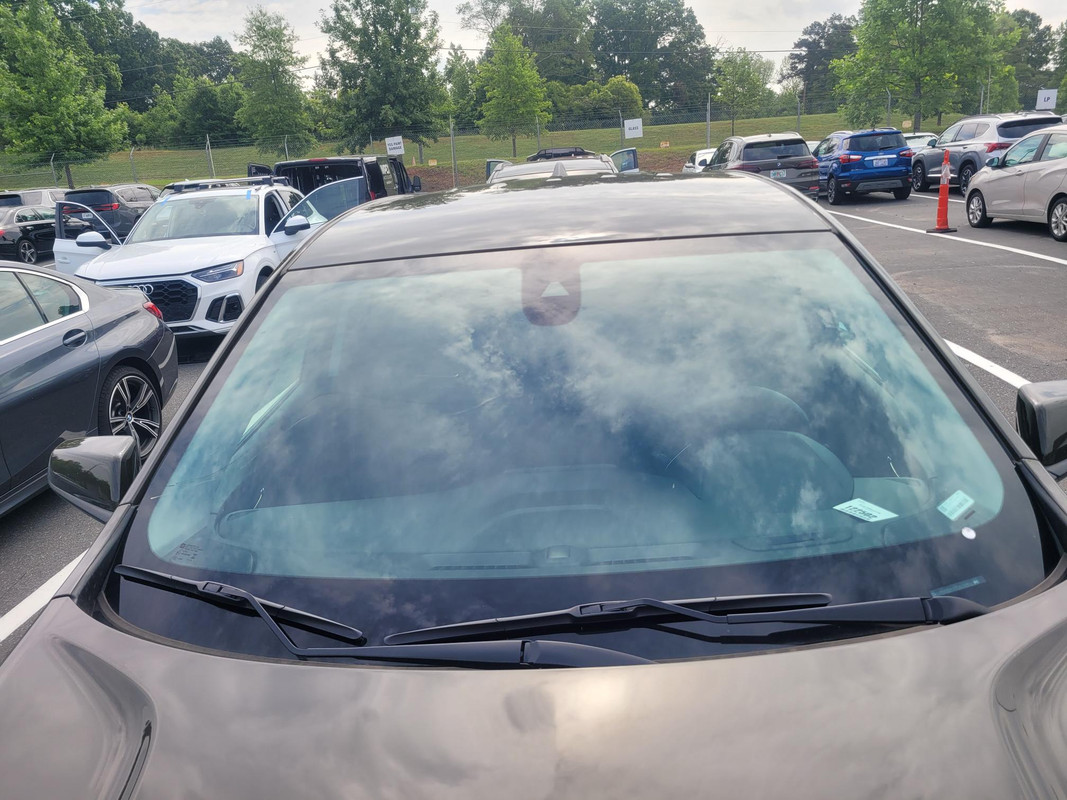
Factory glass often includes a subtle green or blue tint and a third-visor frit at the top. Acoustic windshields use a special interlayer to cut noise. Some models add infrared-reflective coatings to reduce cabin heat. If your car has a head-up display, the windshield may include a wedge layer that corrects double images. When you schedule windshield repair or replacement, mention these features. Matching them keeps the driving experience consistent.
Aftermarket window tint adds another dimension. Most states allow a certain visible light transmission percentage on front side windows and different limits on rear windows. If you replace a tinted glass, check whether the previous tint was a film or an integral tint. Removing torn tint and reapplying film on fresh glass is cleaner than trying to align old film with new edges.
Timing your replacement: weather, calendars, and patience
Two times of year stretch glass shops thin: spring, when temperature swings spread stone chips into cracks, and late fall, when first frosts catch aging windshields. If you can, schedule early in the week and in the morning. Morning installs give urethane the day to cure and give you time to spot issues before a weekend trip.
Weather matters. A hot, dry day speeds curing but can make moulding alignment tricky as parts expand. Cold, damp weather slows curing and increases the risk of condensation on the bond line. Good technicians adjust bead size and product choice to match the day. If a thunderstorm rolls in at the appointment time, consider rescheduling a mobile windshield replacement rather than forcing the issue.
Old mouldings, new mouldings, and what really seals
Customers often point to the outer rubber moulding and say, that’s the seal. The real seal is the urethane hidden under the glass. The outer moulding sheds water and finishes the edge, but it’s not your primary leak barrier. Some vehicles use a re-usable moulding, others require a one-time-use clip-on. If a shop reuses a deformed moulding, you may get wind noise even if the glass is sealed perfectly.
Ask whether the quote includes new mouldings where required. On certain models, like trucks with wraparound trims or SUVs with complex upper garnish pieces, fresh clips and mouldings make a difference. If the price seems unusually low, it might not include these parts. Saving a few dollars here can cost you an afternoon of whistling.
When car window repair turns into regulator repair
A shattered side window sends glass into the door. Vacuuming is only half of the job. If shards work into the window channel, the regulator and motor can grind. That noise is your warning. A technician should pull the door panel, clean the bottom of the door, blow out the channels, and check the regulator cable for fray. On frameless doors, alignment is picky. A slight tweak ensures the window seals to the weatherstrip without wind hiss at speed.
If your window moves slowly after replacement or clicks at the top, return to the shop. Small adjustments make a big difference and prevent premature motor failure.
Working with an auto glass shop you can trust
Experience shows in the questions a shop asks you. Expect them to request your VIN, ask about rain sensors, heated zones, head-up display, and ADAS features. They will verify whether your vehicle uses laminated or tempered side glass and confirm tint. They will explain safe drive-away times and the need for recalibration. You want that dialogue. Silence usually means someone is rushing.
Look for technicians with certifications, such as those who follow AGRSS standards and document installation procedures. A clean work area and the use of protective covers over fenders and dashboards tell you a lot. Mobile vans should carry glass racks with padded arms, urethane warmers in cold weather, and a vacuum strong enough to collect small fragments.
Practical prep before the appointment
- Remove valuables and clear the dashboard and rear deck so technicians can work without moving personal items. Park in a space with enough clearance on both sides and overhead. For mobile service, a flat driveway beats a sloped curb. Photograph your vehicle’s interior trim around A-pillars and headliner. It helps you verify everything returns to place. Plan your day around the cure time. Avoid door slams and potholes right after a windshield replacement to keep the bond undisturbed. If calibration requires a road test, check that your gas level is sufficient and that tires are properly inflated for an accurate alignment.
These small steps keep the job efficient and reduce the odds of surprises.
Environmental and health considerations
Glass is recyclable, but the laminated structure complicates it. Many shops partner with recyclers who separate the PVB interlayer from glass, reusing each stream. Ask your shop whether they recycle removed glass. Old urethane and contaminated shards typically head to landfill, but improved sorting helps.
Inside the cabin, active glass work stirs dust. A conscientious technician uses drop cloths, vacuums thoroughly, and wipes surfaces. If anyone in your household has asthma or sensitivities, open the doors for a few minutes after the install to clear residual odors from primers and urethane. Most modern adhesives are low-VOC, yet they still have a noticeable scent for a few hours.
Signs it’s time to act
Waiting on glass problems rarely pays off. A chip near the center might hold for months, then a cold morning sends a crack racing to the edge. A small water drip at the headliner can turn into mildew and streaks. And a worn rear defroster grid means a foggy rear view on a January commute.
The right time to schedule auto glass repair or auto glass replacement is as soon as the problem appears, with a small exception for non-structural cosmetic blemishes that don’t affect visibility or sealing. If you notice strange light refractions at night, a new wind noise that wasn’t there, or a vague ADAS warning after a windshield replacement, book a checkup. Small adjustments today prevent big headaches later.
A word on classic cars and specialty vehicles
Vintage cars, off-road rigs, and RVs complicate the picture. Many classics use a rubber gasket set rather than urethane. Installing those correctly takes technique and patience, including rope-in methods and lubricant choices that won’t degrade the rubber. Finding correct curvature on aftermarket windshields for older models can be tricky. For these vehicles, a shop with classic experience is worth the travel. Likewise, Sprinter and Transit vans often host aftermarket gear around the windshield area, from camera systems to interior shelves, and need thoughtful disassembly and reassembly.
The bottom line on safety and security
Good glass work disappears into the car. You don’t think about it when it’s right. Yet behind that silence is a series of choices: OEM or equivalent glass, correct urethane, precise surface prep, careful handling of sensors, and proper calibration. Do not be shy about asking questions. Reputable shops welcome them.
If you drive a vehicle with advanced driver aids, prioritize a shop that explains its calibration process. If you need flexibility, a mobile auto glass service can fit your schedule, especially for side and rear glass, as long as weather cooperates. For complex windshields and ADAS, a controlled shop environment often gives the best outcome.
Safety rests on adhesion and alignment. Security improves with laminated side glass, intact defrosters and cameras, and clean, tight trims that do not announce a hasty fix. With a bit of knowledge and a careful choice of installer, your car window glass replacement can restore not only a clear view but the layers of protection built into your vehicle from the start.